

How to Read Tire Size – A Simple Guide for Every Driver!
Everything Canadian drivers need to know about tire size codes, winter tire considerations, vehicle compatibility, and tire performance.
Your tires play an important role in your vehicle’s safety, fuel efficiency, handling, and overall driving performance. They do far more than help your car move. That is why automotive service providers like Victory Lube encourage drivers to better understand the basic details of their vehicles, including tire specifications and maintenance requirements.
However, many drivers ignore the information printed on the tire sidewall. While the numbers and letters may look confusing, they provide essential details about the tire’s size, construction, and performance capabilities.
Whether you are replacing old tires, comparing options, or simply trying to understand your vehicle better, learning how to read tire size can save you time, money, and unnecessary confusion.
Once you know what each part of the tire code means, choosing the right tires becomes much easier and more confident.
Understanding the Tire Code on Your Sidewall
What Each Letter and Number Means
Let’s start with the basics …
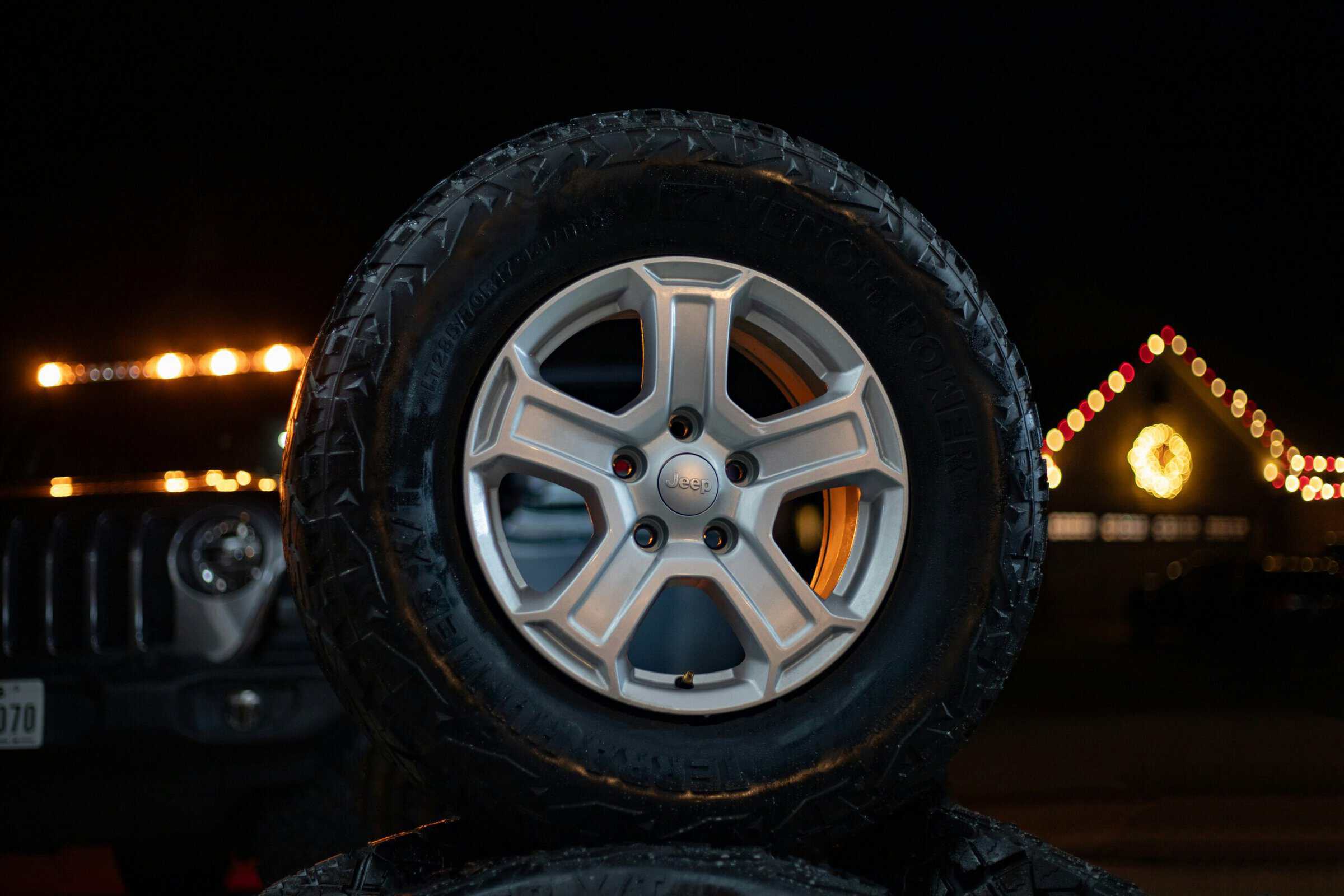
If you look at the sidewall of any tire on your car, you’ll notice something that looks like this: P215/65R16 95H.
Each section of that sequence carries a specific meaning; think of it as your tire’s identity card. This format is known as the metric tire size system, and once you learn it, you’ll never feel lost at a tire shop again.
Here’s how to break it down, piece by piece:
P – The Tire Type Letter
The letter at the beginning identifies the tire class. A “P” indicates a P-metric tire, designed for passenger vehicles, your everyday car, minivan, or crossover. If you see LT instead, you’re looking at an LT tire, built for light trucks, heavier pickups, and full-size SUVs that carry larger loads. Some tires may have no letter at all, which usually means they follow a European metric standard rather than the North American system.
215 – Section Width
This number represents the tire width, specifically the section width, measured in millimetres from one sidewall to the other. A higher number means a wider tire. Wider tires generally provide more road contact and improved traction, which is why performance vehicles often wear wider rubber than economy cars.
65 – Aspect Ratio
The aspect ratio is the sidewall height as a percentage of the tire’s width. Here, the sidewall height is 65% of 215 millimetres. A lower aspect ratio means a shorter, thinner sidewall, common on performance vehicles. A higher number gives you a taller sidewall, which typically translates to a smoother, more comfortable ride over bumps and rough pavement.
R – Tire Construction
The “R” indicates the tire construction type. It stands for “Radial,” making this a radial tire, by far the most common construction on roads today. Radial tires have internal fabric layers that run perpendicular to the direction of travel, providing better durability, fuel efficiency, and even tread wear compared to older construction methods.
16 – Wheel Diameter
This number indicates the wheel diameter (rim size), measured in inches. It tells you the wheel rim size the tire is designed to fit. A 16-inch tire is designed to fit a 16-inch wheel rim. This number is critical for vehicle compatibility because a mismatched tire and rim won’t work together safely.
95 – Load Index
The load index is a number that corresponds to the maximum weight each tire can safely support when properly inflated. In our example, 95 means approximately 690 kilograms per tire. A higher load index means greater weight capacity, which matters if you drive a larger vehicle or regularly haul heavy cargo.
H – Speed Rating
The speed rating is the final letter in the sequence. It represents the maximum speed the tire can safely sustain over extended periods. “H” corresponds to 210 kilometres per hour. Your tires should always meet or exceed the speed rating recommended by your vehicle’s manufacturer to ensure safe tire performance at highway speeds.
Why Does Tire Size Matter for Your Car
1. Safety on Canadian Roads
Getting the tire size right is not just about fitting rubber to a rim; it directly impacts vehicle safety. Tires that do not match your vehicle’s specifications can affect braking distance, cornering stability, and how the vehicle responds in wet or icy conditions.
In Canada, drivers regularly face snow, ice, freezing rain, and rough road conditions, making proper tire fitment especially important for safe and reliable driving. For the best traction and overall winter performance, vehicles should ideally be equipped with four matching winter or all-weather tires that use the same tread pattern.
2. Fuel Efficiency and Tire Performance
Your tire size also affects how much fuel your car uses. Wider tires or incorrect specifications create more rolling resistance, forcing your engine to work harder. That means more stops at the pump, something nobody enjoys with today’s fuel prices.
Sticking with your tire manufacturer’s recommended size is one of the simplest ways to maintain good fuel economy and overall tire performance without changing your driving habits.
3. Speedometer and Wheel Alignment Concerns
Here’s something many drivers overlook: your speedometer is calibrated based on the original tire size. Switching to a different overall diameter throws that calibration off. You could be travelling faster than your dashboard indicates, risking a ticket, or slower than you think.
Additionally, incorrect tire sizes can affect your wheel alignment, causing your car to pull to one side and creating premature tire wear on certain edges. Keeping the proper size helps everything stay balanced and accurate.
If you’ve noticed uneven wear patterns or your car pulling in one direction, book a tire service appointment to get things sorted before the problem gets worse.
4. Ride Comfort and Road Noise
Tires with a higher aspect ratio absorb road imperfections more effectively, delivering a quieter and smoother ride. Low-profile tires look sporty but tend to transmit more vibration and noise into the cabin, particularly punishing on rough Canadian roads after a long winter. If daily comfort matters to you, that aspect ratio number deserves your attention.
Easy Places to Find Your Vehicle’s Recommended Tire Specifications
Not sure what tire size your vehicle requires? Here are several simple places to find this information without any guesswork:
- Driver’s side door jamb. Open your driver’s door and look at the frame. You’ll spot a sticker listing the recommended tire size, proper tire pressure, and sometimes even guidance on spare tire specs.
- Owner’s manual. Your vehicle’s owner’s manual has a dedicated section covering tire specifications, recommended tire inflation pressures, and rotation guidelines. It’s one of the most reliable references you have.
- Your current tires. Assuming no aftermarket or non-standard tires have been installed on your vehicle, your current set should display the correct size on the sidewall. Read those tire sidewall markings using the guide above, and you’re set.
- Ask a professional. When in doubt, bring your vehicle to Victory Lube. Whether you’re in Kitchener, Waterloo, or Cambridge, our team handles tire and automotive maintenance questions every single day. We’re always happy to take a quick look, confirm your tire specifications, and point you in the right direction. Sometimes a knowledgeable second opinion is all you need for complete peace of mind.
Seasonal Tire Considerations for Canadian Drivers
Winter Tires vs. All-Season Tires
Tire size conversations often come up when Canadian drivers switch between winter and all-season tires. Many of us keep two complete sets, dedicated winter tires for the harsh cold months and all-season tires for spring through fall.
When purchasing winter tires, it’s generally best to match the size of your all-season set, unless you’re mounting them on a separate set of rims. Some drivers choose smaller wheel rims for their winter setup to save money, which means the tire width and aspect ratio will differ slightly. However, the overall rolling diameter should stay as close to the original as possible to avoid speedometer errors and handling problems. Understanding the relationship between rim size, section width, and aspect ratio makes these decisions much easier.
The Snowflake Symbol and Tire Performance
When shopping for winter tires, look for the Three-Peak Mountain Snowflake symbol stamped on the sidewall. This marking means the tire has been tested and certified for severe snow conditions. In provinces with mandatory winter tire laws, authorities look for this exact symbol. Each tire manufacturer that earns this certification has demonstrated that their product meets strict cold-weather tire performance standards.
Need new winter tires or a fresh set of all-seasons? You don’t have to gamble with your safety. Shop for tires at Victory Lube and find the right fit for your vehicle, budget, and driving conditions.
5 Tire Maintenance Tips That Protect Your Investment
Now that you understand how to read your tire size, here are practical maintenance tips to keep your tires performing safely for as long as possible:
1. Monitor tire inflation monthly
Proper tire inflation is one of the easiest and most important maintenance tasks you can do. Temperature swings, especially during Canadian winters, cause tire pressure to drop. Underinflated tires wear unevenly, reduce fuel efficiency, and increase the risk of blowouts. Over-inflated tires reduce grip. Keep a simple pressure gauge in your glove box and check monthly.
2. Stay on top of tire rotation
Regular tire rotation ensures that all four tires wear evenly, extending their overall lifespan and saving you money on premature tire replacement. A solid rule of thumb is to rotate every 8,000 to 10,000 kilometres, roughly every time you come in for an oil change. Victory Lube can help you stay on schedule with rotations alongside your regular automotive maintenance visits.
3. Inspect for tire wear and damage
Take a moment every few weeks to visually check your tires. Look for cracks in the sidewall, bulges, embedded nails or screws, and uneven tire wear patterns. Uneven wear can also signal wheel alignment issues that should be addressed before they cause further damage. Catching problems early can prevent dangerous situations later.
4. Check your tire tread depth
Worn tire tread dramatically reduces your ability to stop and steer safely, especially on wet or snowy surfaces. Try the quarter test, insert a Canadian quarter into the tread with the caribou’s nose pointing down. If you can see the tip of the nose, your tread is too shallow, and it’s time to think about tire replacement.
5. Don’t ignore the spare
Many drivers forget about their spare tire entirely until they need it, only to discover it’s flat or deteriorated. Give your spare a tire pressure check and visual inspection a couple of times a year. A prepared driver is a safe driver.
Conclusion
Understanding how to read tire size gives you more confidence when maintaining your vehicle, shopping for replacements, or speaking with an automotive professional. Those numbers and letters on the tire sidewall are not random; they provide valuable information that affects safety, fuel efficiency, ride comfort, and overall driving performance.
For Canadian drivers, choosing the correct tire size and maintaining proper tire condition is especially important through changing seasons and challenging road conditions.
By staying informed and following recommended tire specifications, you can help extend tire life, improve vehicle performance, and drive more safely year-round. When in doubt, trusted professionals like Victory Lube can help you make the right choice for your vehicle.